

Introduction
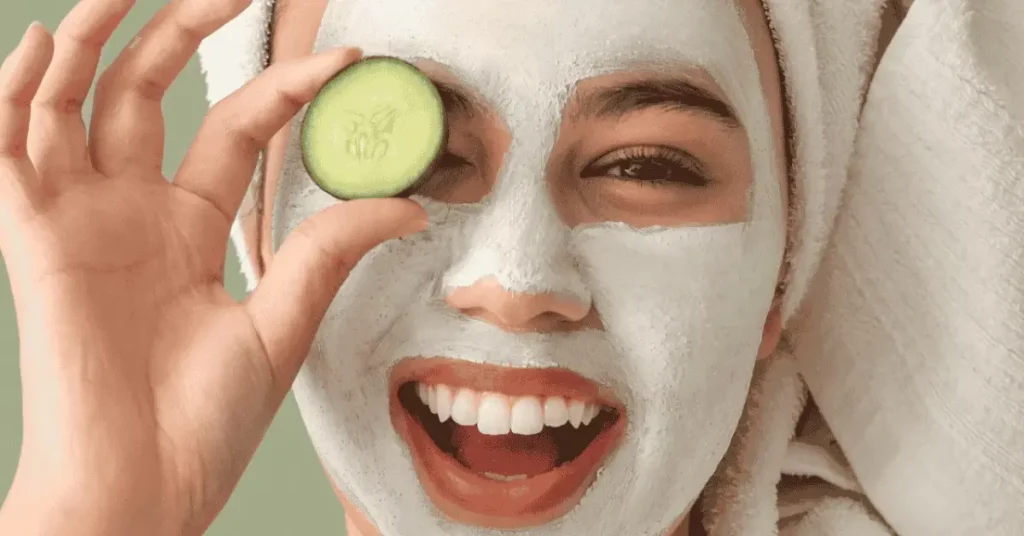
A white face mask is a simple yet powerful way to achieve glowing, healthy skin. Over the years, these masks have become a staple in skincare routines because they can deeply cleanse, nourish, and revitalize the skin. Known in some circles as a face mask white, they are designed to remove impurities, excess oil, and dead skin cells, leaving your skin looking fresh and radiant. Whether you prefer natural DIY options or ready-made skincare products, a white face mask can be easily incorporated into your routine.
One popular choice is the egg white face mask, which is celebrated for its pore-tightening and skin-firming properties. Egg whites are rich in proteins and vitamins that help reduce excess oil, tighten pores, and improve skin elasticity. For those who prefer a gentle yet effective product, the Plum Chamomile and White Tea Face Mask is ideal. Infused with chamomile and white tea extracts, it soothes sensitive skin while providing antioxidant protection, hydration, and a natural glow.
The beauty of a white face mask lies in its versatility. People with oily, dry, or combination skin can all benefit from using the right type of mask. Regular use can help control breakouts, reduce dullness, and make the skin smoother and brighter. Whether you make it at home with simple ingredients like egg whites or choose a high-quality product from trusted brands, white face masks are a must-have for anyone aiming for healthier, clearer skin.
In this guide, we will explore everything you need to know about white face masks—from the different types and their benefits to step-by-step instructions for DIY masks and tips for achieving the best results. By the end, you’ll have all the knowledge you need to choose the perfect mask for your skin and enjoy a radiant, glowing complexion every day.
What is a White Face Mask?
A white face mask is a skincare product designed to cleanse, nourish, and revitalize your skin. Sometimes called a face mask white, it is typically made with ingredients that help remove dirt, excess oil, and impurities while improving skin texture. White face masks can come in different forms, including clay-based masks, cream masks, gel masks, and natural DIY options like the egg white face mask.
The main purpose of a white face mask is to detoxify the skin and provide a brighter, healthier complexion. Many masks also include natural ingredients like chamomile, white tea, and plum extracts, which are gentle on the skin and provide antioxidant protection. For example, the Plum Chamomile and White Tea Face Mask is especially popular among those with sensitive skin, as it soothes irritation while enhancing radiance.
White face masks are suitable for all skin types. They are particularly effective for people with oily or combination skin because they help control excess sebum and tighten pores. On the other hand, hydrating variants are ideal for dry skin, leaving it soft and smooth. Using a white face mask regularly can not only help maintain a clear complexion but also prepare your skin to absorb other skincare products more effectively.
In the following sections, we will explore the benefits of using a white face mask, highlight the advantages of an egg white face mask, and discuss how you can choose the best mask for your skin type to achieve glowing, healthy skin.
Benefits of Using a White Face Mask

A white face mask is an excellent addition to any skincare routine because it provides multiple benefits that improve the health and appearance of your skin. One of the main advantages is deep cleansing. These masks remove dirt, impurities, and excess oil that can accumulate throughout the day, helping to unclog pores and prevent breakouts. Whether you use a face mask white from a skincare brand or a natural egg white face mask, the deep-cleansing effect leaves your skin feeling refreshed and rejuvenated.
Another key benefit of a white face mask is its ability to control excess oil. People with oily or combination skin can particularly benefit, as masks containing ingredients like egg white naturally absorb excess sebum. This not only helps in reducing a greasy complexion but also minimizes the likelihood of acne and blemishes.
Tightening pores is another important advantage. Large or open pores can make skin look uneven and dull, but regular use of a white face mask can help refine skin texture and make pores appear smaller. Masks with clay or egg whites are particularly effective in this regard, giving the skin a smoother and more polished appearance.
White face masks also improve skin texture and promote a natural glow. Many masks are enriched with beneficial ingredients like plum, chamomile, and white tea extracts. These ingredients provide antioxidants, hydration, and soothing effects, which brighten the skin, reduce dullness, and enhance overall radiance.
Egg White Face Mask
The egg white face mask is a natural and effective way to improve skin health and achieve a glowing complexion. Egg whites are rich in proteins, vitamins, and minerals that help tighten pores, control excess oil, and firm the skin. This makes the egg white mask particularly popular among people with oily or combination skin, as it reduces greasiness and prevents breakouts. By creating a thin layer over the skin, the egg white mask temporarily tightens the surface, giving the face a smoother and more refined appearance.
One of the main advantages of an egg white face mask is its ability to brighten the skin. The nutrients in egg whites help reduce dullness, making the complexion appear fresh and radiant. It also has mild astringent properties that shrink pores and improve overall skin texture. Regular use of this mask can even help minimize the appearance of fine lines and wrinkles, giving the skin a firmer, youthful look. Moreover, egg whites are gentle on the skin, making them suitable for sensitive skin types when used correctly.
Plum Chamomile and White Tea Face Mask
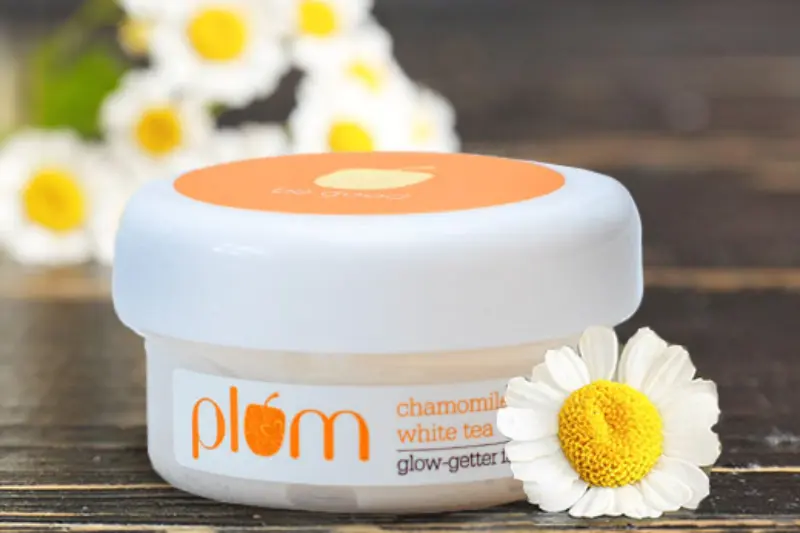
The Plum Chamomile and White Tea Face Mask is a gentle yet highly effective skincare product designed to soothe, nourish, and revitalize the skin. Unlike stronger masks, this formula is ideal for sensitive skin types because it combines the calming properties of chamomile with the antioxidant benefits of white tea. Chamomile helps reduce redness and irritation, while white tea protects the skin from environmental stressors and free radicals, which can cause premature aging. The addition of plum extracts provides hydration, brightening effects, and a natural glow, making it a perfect mask for all skin types.
One of the standout benefits of the Plum Chamomile and White Tea Face Mask is its ability to soothe and calm the skin. People with redness, inflammation, or sensitive skin can use this mask without fear of irritation. At the same time, its antioxidant-rich ingredients help repair and rejuvenate the skin, giving it a healthier, more youthful appearance. Regular use of this mask can improve overall skin texture, hydrate dry areas, and enhance natural radiance, leaving the skin soft and glowing.
Using the mask is simple and convenient. Apply a thin layer to a cleansed face, leave it on for 10–15 minutes, and then rinse with lukewarm water. The soothing aroma of chamomile adds a relaxing experience, making skincare feel like a self-care ritual. Whether you are looking to reduce irritation, brighten dull skin, or simply pamper yourself, the Plum Chamomile and White Tea Face Mask is an excellent choice. It combines natural ingredients with proven skincare benefits, helping you maintain smooth, hydrated, and radiant skin without harsh chemicals.
How to Choose the Best White Face Mask for Your Skin Type
Choosing the right white face mask is essential to get the best results and avoid skin irritation. Not all masks suit every skin type, so understanding your skin’s needs is the first step. For people with oily skin, masks that contain clay or egg white face masks are ideal. These ingredients help absorb excess oil, tighten pores, and prevent acne, leaving the skin matte and refreshed. Regular use of these masks can reduce breakouts and give the skin a smoother appearance.
For those with dry skin, hydration is key. Cream-based or gel masks infused with natural extracts like plum or white tea provide moisture and nourishment without causing dryness. A mask like the Plum Chamomile and White Tea Face Mask is perfect for dry or sensitive skin because it hydrates and soothes simultaneously. These masks help restore softness, improve texture, and enhance the natural glow of the skin.
People with sensitive skin should prioritize gentle, soothing masks. Ingredients like chamomile and white tea calm inflammation and reduce redness while offering antioxidant protection. Avoid masks with harsh chemicals or strong astringents, as they can irritate delicate skin. Patch-testing a new mask before applying it to the entire face is always recommended to ensure it suits your skin.
By selecting a white face mask that matches your skin type, you can maximize the benefits, whether your goal is oil control, hydration, or soothing sensitive skin. Using the right mask consistently not only improves your skin’s health but also enhances its radiance, giving you a naturally glowing and balanced complexion. Understanding your skin type and its needs is the key to making a white face mask a successful part of your skincare routine.
How Often Should You Use a White Face Mask?

Using a white face mask correctly is just as important as choosing the right type. For most skin types, applying a mask 1–2 times per week is sufficient to achieve clear, glowing, and healthy skin. Overusing a mask, especially those with clay or astringent properties, can lead to dryness or irritation, while underusing it may prevent you from seeing the full benefits.
For oily or combination skin, a mask with oil-controlling ingredients like egg white or clay can be used once or twice a week to regulate sebum production, reduce shine, and keep pores clean. Those with dry skin should focus on hydrating masks containing plum, chamomile, or white tea, and avoid masks that strip moisture. Applying these moisturizing masks once or twice a week helps replenish hydration and keeps the skin soft and supple.
People with sensitive skin should be extra cautious and choose gentle, soothing masks. Using a calming Plum Chamomile and White Tea Face Mask once a week is often enough to reduce redness and maintain a balanced, healthy complexion. It’s also a good idea to patch-test a new mask before using it on the entire face to ensure it does not cause irritation.
Timing and consistency matter as well. Masks should be applied after cleansing the skin and followed by a gentle moisturizer to lock in hydration. With proper usage, a white face mask can deliver deep cleansing, pore tightening, oil control, and a natural glow, making it a valuable addition to any skincare routine.
Tips for Getting the Best Results from Face Masks
To get the maximum benefits from a white face mask, proper preparation and application are essential. Start by thoroughly cleansing your face to remove dirt, makeup, and excess oil. This ensures that the mask can penetrate the skin effectively and deliver its full benefits. Using a gentle cleanser is recommended, especially if you plan to apply a Plum Chamomile and White Tea Face Mask or a natural egg white face mask.
When applying the mask, use clean fingers or a soft brush to spread it evenly across your face, avoiding the delicate eye and lip areas. For DIY masks like an egg white face mask, applying a thin layer is enough to cover the skin without wasting ingredients. Allow the mask to sit for the recommended time—usually 10–15 minutes—until it dries. During this time, you can relax, as many masks also provide a calming and soothing effect while working on the skin.
After removing the mask with lukewarm water, it is important to follow up with a gentle moisturizer to lock in hydration. This step helps maintain the skin’s softness and prevents any dryness caused by clay or egg white masks. For added benefits, you can occasionally mix natural ingredients like honey, yogurt, or lemon into your mask to enhance hydration, exfoliation, and radiance.
Consistency is key. Using a white face mask 1–2 times a week, depending on your skin type, will help improve texture, tighten pores, control oil, and enhance your natural glow. Following these tips ensures that your face mask routine is effective, safe, and contributes to healthy, radiant skin every time.
Possible Side Effects of Face Masks
While white face masks are generally safe and beneficial, improper use or unsuitable ingredients can sometimes lead to side effects. One common issue is skin irritation, especially for people with sensitive skin. Masks containing strong astringents, alcohol, or acidic ingredients may cause redness, itching, or a burning sensation. DIY masks like the egg white face mask can also irritate skin if left on for too long or if mixed with acidic ingredients like lemon in high amounts.
Another potential side effect is dryness. Clay-based masks and some homemade masks are designed to absorb excess oil, but overuse can strip the skin of natural moisture, leaving it tight and flaky. To avoid this, it’s important to use masks according to your skin type and follow up with a gentle moisturizer after each application.
Allergic reactions are also possible, particularly if you are using natural ingredients for the first time. Ingredients like egg whites, lemon, or certain herbal extracts can cause reactions in sensitive individuals. Performing a patch test on a small area of skin before applying the mask to your entire face can help prevent unexpected allergies.
By using white face masks in moderation, choosing the right formula for your skin type, and following proper application guidelines, most side effects can be avoided. When used correctly, these masks can safely provide deep cleansing, pore tightening, oil control, and a radiant, glowing complexion.
Natural vs Store-Bought White Face Masks
When it comes to choosing a white face mask, you have two main options: natural DIY masks or store-bought products. Natural masks, like the egg white face mask, are popular because they use simple, readily available ingredients. They are affordable, free from harsh chemicals, and allow you to customize the mask according to your skin’s needs. Egg whites, honey, lemon, and yogurt can all be combined to create masks that tighten pores, control oil, and brighten the complexion naturally. However, DIY masks require preparation time, proper storage, and careful usage to avoid irritation.
On the other hand, store-bought white face masks, such as the Plum Chamomile and White Tea Face Mask, are convenient, easy to use, and often formulated with advanced skincare ingredients. These masks provide consistent results, are dermatologically tested, and may include antioxidants, soothing extracts, and hydrating agents that enhance the skin’s health and glow. They are especially suitable for sensitive skin, as the formulas are designed to reduce irritation while delivering maximum benefits.
Both natural and commercial masks have their advantages. DIY masks give control over ingredients and are cost-effective, while store-bought masks save time and offer specialized benefits. Choosing between the two depends on your lifestyle, skin type, and skincare goals. Some people even combine both approaches—using DIY masks for a natural treatment and store-bought masks for quick, professional results. Ultimately, whether you opt for a natural egg white face mask or a premium product like the Plum Chamomile and White Tea Face Mask, the key is consistency and proper usage to achieve smooth, radiant, and healthy skin.
Conclusion
A white face mask is an essential skincare tool for anyone looking to achieve clear, healthy, and glowing skin. Whether you choose a natural egg white face mask or a premium product like the Plum Chamomile and White Tea Face Mask, these masks offer multiple benefits, including deep cleansing, pore tightening, oil control, hydration, and a radiant complexion. By selecting the right mask for your skin type—oily, dry, or sensitive—you can maximize the results and avoid irritation or dryness.
Consistency and proper application are key. Using a white face mask 1–2 times per week, applying it to a clean face, and following up with moisturizer can help maintain soft, smooth, and rejuvenated skin. Incorporating natural ingredients or choosing gentle store-bought options adds extra nourishment and protection. Additionally, performing a patch test for new masks ensures safety and prevents allergic reactions.
Whether you are a DIY enthusiast or prefer ready-made masks, a white face mask can be a versatile addition to your skincare routine. By understanding the benefits, using the mask correctly, and choosing the right product for your skin, you can enjoy healthy, refreshed, and glowing skin every day. A white face mask is not just a beauty treatment—it’s a simple, effective way to care for your skin and enhance your natural radiance.
FAQs About White Face Mask
What is a white face mask used for?
A white face mask cleanses, tightens pores, controls oil, and brightens the skin for a healthy glow.
Is an egg white face mask good for skin?
Yes, it tightens pores, reduces oil, brightens skin, and temporarily firms fine lines.
How often should I use a white face mask?
1–2 times per week is ideal, depending on your skin type.
What are the benefits of an egg white face mask?
It controls oil, tightens pores, improves texture, and brightens the complexion.
Can a white face mask remove blackheads?
Yes, masks with clay or egg white help remove impurities and reduce blackheads.
Is a Plum Chamomile and White Tea Face Mask good for sensitive skin?
Yes, it soothes irritation, reduces redness, and provides antioxidant protection.
Can I use an egg white face mask every day?
No, overuse can dry out or irritate the skin; 1–2 times per week is sufficient.
Does a white face mask help tighten pores?
Yes, regular use can reduce pore size and smooth the skin’s texture.
Are homemade white face masks safe?
Yes, when made with natural ingredients and applied correctly, they are safe for most skin types.
Which white face mask is best for glowing skin?
It depends on your skin type: DIY egg white masks for oily skin, and Plum Chamomile and White Tea masks for sensitive or dry skin.


