Introduction
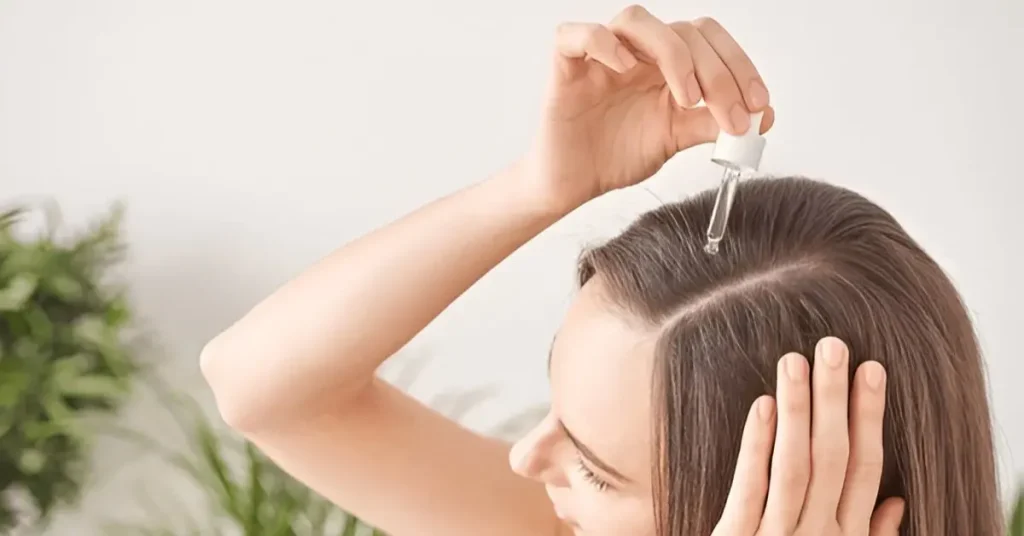
Healthy, shiny, and strong hair is something everyone desires, but daily exposure to pollution, stress, poor diet, and wrong hair products often leads to common hair problems. Issues like hair fall, dryness, split ends, and an oily scalp have become very common today. This is where Hair Care Solutions play an important role in restoring hair health and maintaining its natural beauty.
Choosing the right hair care solutions is not just about using expensive products; it’s about understanding your hair type and addressing specific problems with the right treatments. For example, damaged hair needs an effective split ends treatment, while excess oil buildup requires a proper oily scalp treatment to keep the scalp clean and balanced. Similarly, products like hair serum help reduce frizz and add shine, while nourishing oils work deeply to strengthen hair roots.
Natural remedies and targeted products such as hair oil for growth and onion oil for hair have gained popularity because they support hair growth, reduce hair fall, and improve scalp health when used correctly. However, without a proper routine and knowledge, even the best products may not deliver results.
In this guide, we will explore the most effective hair care solutions for common hair concerns. From treating split ends to managing oily scalp issues and promoting healthy hair growth, this article will help you understand how to care for your hair the right way. With the right approach and consistency, achieving healthy and beautiful hair is absolutely possible.
Understanding Your Hair Type & Hair Problems
Before choosing the right Hair Care Solutions, it is important to understand your hair type and the specific problems you are facing. Every hair type reacts differently to products and treatments, so what works for one person may not work for another. Identifying your hair type helps you select the most effective routine and avoid further damage.
Hair types are generally categorized as dry, oily, normal, or combination. Dry hair often feels rough, looks dull, and is more prone to breakage and split ends. Oily hair, on the other hand, becomes greasy quickly due to excess sebum production on the scalp, which may lead to clogged pores and hair fall if not treated properly. Normal hair maintains a healthy balance, while combination hair may have an oily scalp with dry ends.
Common hair problems usually develop due to poor lifestyle habits, excessive heat styling, chemical treatments, and environmental factors. Split ends are caused by dryness and over-processing, while an oily scalp often results from overwashing or using the wrong products. Hair fall and slow growth can also occur due to weak roots, lack of nutrients, or improper scalp care.
Understanding these hair concerns allows you to choose targeted solutions such as the right cleansing method, nourishing oils, or protective treatments. Once you know your hair type and problem areas, it becomes much easier to apply effective hair care solutions that promote healthier, stronger, and more manageable hair over time.
Best Hair Care Solutions for Common Hair Problems
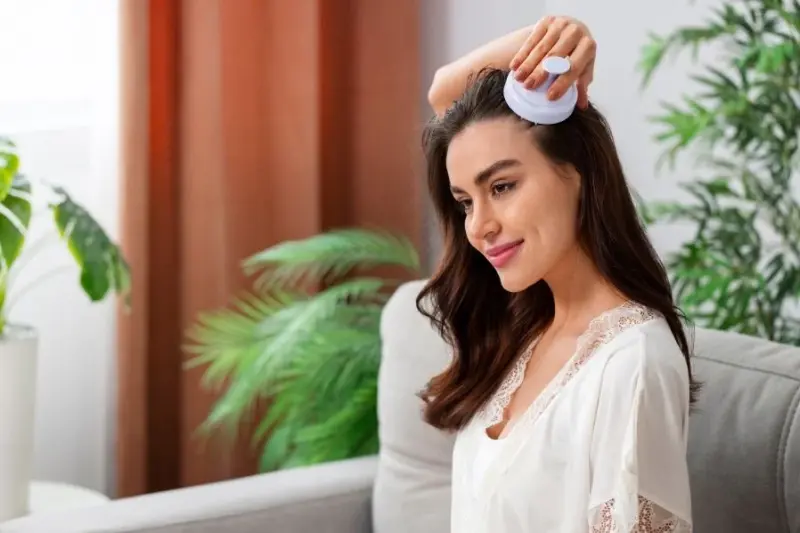
Every hair concern needs a specific approach, and using the right Hair Care Solutions can make a noticeable difference in your hair’s health and appearance. Whether you are dealing with split ends, an oily scalp, or slow hair growth, targeted treatments help solve problems at the root rather than offering temporary results.
Modern hair care focuses on maintaining a healthy scalp, nourishing hair strands, and protecting hair from daily damage. Simple changes like choosing the right shampoo, applying nourishing oils, and using protective products can prevent long-term hair issues. Consistency is key—regular care delivers better results than occasional treatments.
In the following sections, we will discuss effective solutions for the most common hair problems. You’ll learn how to manage split ends, control excess oil, use hair serum correctly, and boost hair growth with the right oils. These hair care solutions are easy to follow and suitable for most hair types, helping you achieve stronger, shinier, and healthier hair naturally.
Split Ends Treatment for Stronger Hair
Split ends are one of the most common hair problems and a clear sign of damaged or neglected hair. They occur when the protective outer layer of the hair strand becomes weak, causing the ends to fray and split. Without proper split ends treatment, the damage can travel up the hair shaft, making hair look dull, thin, and unhealthy.
The main causes of split ends include excessive heat styling, frequent chemical treatments, rough towel drying, and lack of moisture. Dry hair is especially prone to split ends because it lacks natural oils that protect the hair strands. Using harsh shampoos and skipping regular trims can also worsen the problem.
An effective split ends treatment focuses on restoring moisture and strengthening hair fibers. Regular trimming every 6–8 weeks helps remove damaged ends and prevents further splitting. Deep conditioning masks, natural oils, and leave-in treatments also play an important role in nourishing and protecting hair. Applying a small amount of hair serum to the ends can help seal moisture and reduce further damage.
In addition, minimizing heat styling and using heat protection products can greatly improve hair health. By following the right routine and being consistent, you can manage split ends effectively and maintain smoother, stronger, and healthier-looking hair over time.
Oily Scalp Treatment – Control Excess Oil Naturally
An oily scalp is a common issue that can make hair look greasy, flat, and lifeless. It occurs when the scalp produces excess sebum, which may clog hair follicles and attract dirt. Without proper oily scalp treatment, this condition can lead to dandruff, itching, and even increased hair fall.
One of the main reasons for an oily scalp is overwashing hair or using harsh shampoos that strip natural oils. In response, the scalp produces even more oil to compensate. Hormonal changes, stress, poor diet, and using heavy hair products can also contribute to excess oil buildup on the scalp.
An effective oily scalp treatment starts with gentle cleansing. Use a mild, sulfate-free shampoo designed for oily hair to keep the scalp clean without over-drying it. Washing hair 2–3 times a week is usually enough to maintain balance. Avoid applying conditioner directly to the scalp; instead, focus only on the hair lengths and ends.
Natural remedies can also help control oil production. Ingredients like aloe vera, tea tree oil, and lemon are known for their cleansing and balancing properties. Keeping your scalp clean, avoiding heavy styling products, and following a consistent routine will help regulate oil levels and keep your hair fresh, light, and healthy for longer periods.
Hair Serum – Benefits & Proper Usage
A hair serum is an essential product in modern hair care routines, especially for managing frizz, dryness, and dull-looking hair. It forms a protective layer over the hair strands, helping to lock in moisture, smooth the cuticles, and add instant shine. When used correctly, hair serum can significantly improve the overall appearance and manageability of your hair.
Hair serums are especially beneficial for damaged or chemically treated hair, as they reduce breakage and protect hair from environmental damage such as pollution and humidity. They also help detangle hair easily, making styling smoother and reducing hair fall caused by excessive pulling and brushing.
To use hair serum properly, take a few drops and rub it between your palms. Apply it evenly to damp or dry hair, focusing mainly on the mid-lengths and ends. Avoid applying serum directly to the scalp, especially if you have an oily scalp, as it can make hair look greasy. Using hair serum after washing your hair or before heat styling can provide added protection and smoothness.
Regular use of hair serum as part of your hair care routine helps maintain soft, shiny, and frizz-free hair. Combined with other effective hair care solutions, it supports healthier-looking hair and protects it from daily damage.
Hair Oil for Growth – Nourish Your Hair from the Roots
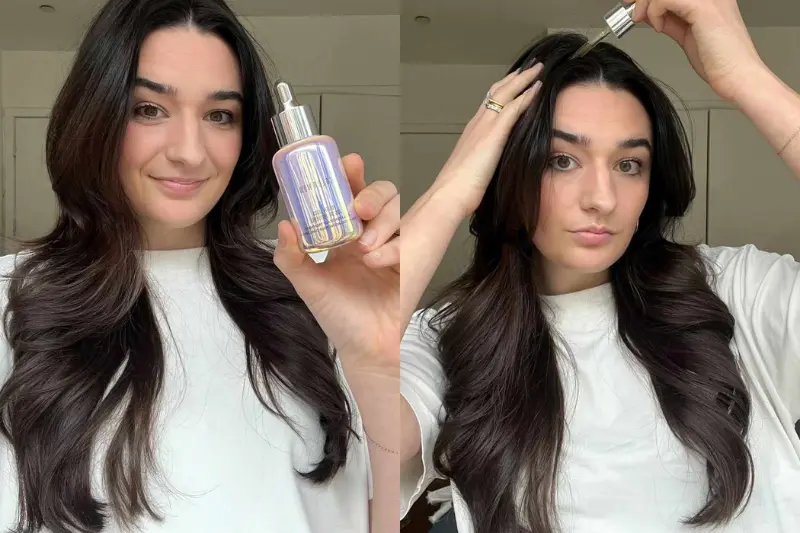
Using the right hair oil for growth is one of the most effective and natural ways to strengthen hair roots and promote healthy hair growth. Hair oils deeply nourish the scalp, improve blood circulation, and provide essential nutrients that support stronger and thicker hair over time.
Regular oiling helps reduce hair fall, dryness, and breakage by keeping the scalp hydrated and balanced. Oils such as coconut, castor, almond, and argan oil are rich in vitamins and fatty acids that repair damaged hair and improve scalp health. When massaged into the scalp, these oils stimulate hair follicles, encouraging better growth and improved hair texture.
To get the best results, warm the oil slightly and gently massage it into your scalp using circular motions for 5–10 minutes. Leave it on for at least 1–2 hours or overnight before washing with a mild shampoo. Oiling your hair 1–2 times a week is usually enough to support healthy growth without making the scalp overly greasy.
When combined with a balanced diet and proper hair care routine, using hair oil consistently can lead to visible improvements in hair strength, shine, and growth. It remains a simple yet powerful solution for achieving healthier and fuller hair naturally.
Onion Oil for Hair – A Powerful Natural Remedy
Onion oil for hair has gained popularity as an effective natural solution for hair fall and slow hair growth. It is rich in sulfur, antioxidants, and essential nutrients that help strengthen hair roots, improve scalp health, and promote new hair growth. Regular use of onion oil can make hair stronger, thicker, and more resilient over time.
One of the key benefits of onion oil is its ability to improve blood circulation in the scalp. Better circulation means more oxygen and nutrients reach the hair follicles, which supports healthier hair growth. Onion oil also has antibacterial properties that help keep the scalp clean and reduce issues like dandruff and infections, which can otherwise weaken hair.
To use onion oil safely, apply a small amount to your scalp and massage gently for a few minutes. Leave it on for at least an hour or overnight, then wash with a mild shampoo to remove any odor. Using onion oil 1–2 times a week is enough to see positive results without irritating the scalp.
While onion oil works well for many people, those with sensitive skin should do a patch test before use. When used correctly and consistently, onion oil can be a powerful addition to your hair care routine, helping you achieve stronger, healthier, and more vibrant hair naturally
Natural vs Chemical Hair Care Solutions
When it comes to Hair Care Solutions, choosing between natural and chemical-based products is an important decision. Both options have their benefits, but understanding their effects can help you make the best choice for your hair type and concerns.
Natural hair care solutions like coconut oil, onion oil, aloe vera, and herbal masks are gentle on hair and scalp. They provide essential nutrients, improve scalp health, and reduce hair breakage without harmful side effects. Natural treatments are ideal for long-term maintenance, especially for sensitive or damaged hair. Regular use can prevent issues like split ends, frizz, and hair thinning while promoting healthy hair growth.
On the other hand, chemical hair care products such as medicated shampoos, serums with silicones, and hair masks can deliver quick results. They often target specific problems like dandruff, excessive oiliness, or severe hair damage. However, overuse of chemical products may cause dryness, scalp irritation, or long-term weakening of hair if not chosen carefully.
The key is balance: using natural remedies for nourishment and occasional chemical treatments for targeted problems. By understanding your hair type and selecting products accordingly, you can create a hair care routine that is both effective and safe, leading to stronger, healthier, and more beautiful hair.
Daily Hair Care Routine for Healthy Hair
Maintaining a consistent daily hair care routine is one of the most important steps in achieving healthy, strong, and shiny hair. Small, regular habits make a huge difference in preventing hair problems and supporting growth.
Morning Routine:
- Gently detangle hair using a wide-tooth comb to prevent breakage.
- If your scalp is oily, rinse with lukewarm water or a mild shampoo as needed.
- Apply a lightweight hair serum or leave-in conditioner to protect hair from pollution and humidity.
- Avoid excessive heat styling; if needed, always use a heat protectant.
Weekly Routine:
- Deep condition your hair once a week to restore moisture and repair damage.
- Apply hair oil for growth or onion oil for hair to nourish the scalp and strengthen roots.
- Trim split ends every 6–8 weeks to prevent further damage.
Monthly Routine:
- Use clarifying shampoos or treatments to remove product buildup from hair and scalp.
- Give your hair a break from chemical treatments like dyes or relaxers whenever possible.
Consistency is key. By following a proper daily, weekly, and monthly routine, you can address common hair problems such as split ends, oily scalp, and weak hair, ensuring that your hair stays healthy, manageable, and naturally beautiful all year round.
Conclusion
Taking care of your hair requires more than just using random products—it’s about choosing the right Hair Care Solutions for your hair type and specific concerns. From tackling split ends to managing an oily scalp, nourishing hair with serums, and promoting growth with hair oils like onion oil, each solution plays a vital role in maintaining healthy, strong, and beautiful hair.
Consistency and proper routine are key. Regular trimming, deep conditioning, and using the right treatments prevent damage while enhancing shine and manageability. Understanding your hair, avoiding common mistakes, and balancing natural and chemical solutions ensure long-term results.
By following the tips and solutions shared in this guide, you can transform your hair care routine into a personalized regimen that promotes stronger, healthier, and more vibrant hair naturally. Beautiful hair is achievable with the right care, attention, and products tailored to your needs.
FAQs – Hair Care Solutions
What are the best hair care solutions for damaged hair?
For damaged hair, use deep conditioning masks, nourishing oils like coconut or argan oil, and regular trims. Avoid excessive heat styling and choose gentle, sulfate-free shampoos to restore hair health.
How often should I oil my hair for growth?
Oiling your hair 1–2 times a week is sufficient for most hair types. Massage the oil into your scalp for 5–10 minutes and leave it for 1–2 hours or overnight for best results.
Can onion oil help with hair fall?
Yes. Onion oil is rich in sulfur and antioxidants that strengthen hair roots, improve scalp health, and reduce hair fall when used consistently.
What is the best split ends treatment at home?
Regular trims, deep conditioning masks, and applying a few drops of hair serum to the ends can prevent and treat split ends. Natural oils like coconut or almond oil also help nourish and protect hair.
How do I treat an oily scalp naturally?
Use a mild, sulfate-free shampoo 2–3 times a week, avoid heavy conditioners on the scalp, and try natural remedies like aloe vera or tea tree oil to balance oil production.
Is hair serum good for daily use?
Yes, hair serum can be used daily on damp or dry hair, focusing on mid-lengths and ends. Avoid applying directly to the scalp, especially if it is oily.
Which oil works best for hair growth?
Coconut oil, castor oil, almond oil, argan oil, and onion oil are among the most effective oils for promoting hair growth and strengthening roots.
Can an oily scalp cause hair fall?
Yes. Excess oil can clog hair follicles, attract dirt, and lead to scalp infections, all of which may contribute to hair fall. Proper oily scalp treatment is essential.
Are natural hair care solutions better than chemical ones?
Natural solutions are gentle, nourishing, and safer for long-term use. Chemical products can deliver quick results for specific problems but should be used carefully to avoid dryness or irritation.
How long does it take to see results from hair care treatments?
Results vary depending on hair type and treatment, but with consistent care using oils, serums, and proper routines, noticeable improvements can usually be seen within 6–8 weeks.