


Introduction

Learning the correct makeup steps can make a huge difference in achieving a flawless and long-lasting look. Whether you are completely new to makeup or looking to improve your routine, understanding the proper order of application helps create a smooth finish while enhancing your natural beauty. Many beginners feel overwhelmed by the variety of products available today, but with the right guidance and a few essential items, anyone can master the basics of makeup application.
One of the most common questions beginners ask is about the steps to apply makeup correctly. From preparing the skin to applying foundation, concealer, eye makeup, and lipstick, each step plays an important role in creating a polished appearance. Following a structured routine not only improves the overall look but also helps makeup last longer throughout the day.
If you’re just starting out, it’s important to invest in the right basic makeup items for beginners. Products such as primer, foundation, concealer, powder, mascara, and lipstick form the foundation of a simple yet effective makeup kit. Understanding how these basic makeup products for beginners work can save time, money, and frustration while helping you build confidence in your makeup skills.
For special occasions, many people search for makeup steps for party events to create a more glamorous and eye-catching look. Party makeup often involves additional techniques such as contouring, highlighting, and bold eye makeup to enhance facial features and create a stunning appearance. Looking at a simple makeup pic for inspiration can also help beginners recreate beautiful looks without feeling intimidated by complex techniques.
In this comprehensive guide, you’ll learn everything from essential makeup products and beginner-friendly techniques to step-by-step instructions for everyday and party makeup. By the end, you’ll have the knowledge and confidence to create a beautiful makeup look for any occasion.
What Are the Essential Makeup Steps?
Understanding the essential makeup steps is the key to achieving a polished, natural, and long-lasting look. While makeup trends may change over time, the basic process of applying makeup remains largely the same. Following the correct order helps products blend better, prevents a cakey appearance, and ensures that your makeup stays fresh throughout the day.
The first and most important step is preparing your skin. Clean, hydrated skin provides the perfect base for makeup application. Washing your face and applying a suitable moisturizer helps create a smooth surface and prevents makeup from settling into dry patches. Many makeup artists also recommend using a primer, as it minimizes pores, controls excess oil, and improves makeup longevity.
Once the skin is prepped, the next step is applying foundation. Foundation helps even out skin tone and creates a flawless base for the rest of your makeup. After foundation, concealer is used to cover dark circles, blemishes, and any areas that need extra coverage. Setting the makeup with powder helps prevent creasing and keeps shine under control.
Eye makeup usually comes next. This includes defining the eyebrows, applying eyeshadow if desired, adding eyeliner, and finishing with mascara. These steps help frame the eyes and enhance facial features. Blush, bronzer, and highlighter can then be applied to add warmth, dimension, and a healthy glow to the face.
The final step is applying lip color, whether it’s a subtle nude shade for everyday wear or a bold color for special occasions. A setting spray can also be used to lock everything in place and ensure long-lasting results.
For beginners learning the steps to apply makeup, it is best to start with simple techniques and gradually experiment with more advanced methods. Having the right basic makeup items for beginners makes the process much easier and helps build confidence. Once you understand these essential steps, creating both everyday and makeup steps for party looks becomes much more manageable and enjoyable.
Basic Makeup Items for Beginners
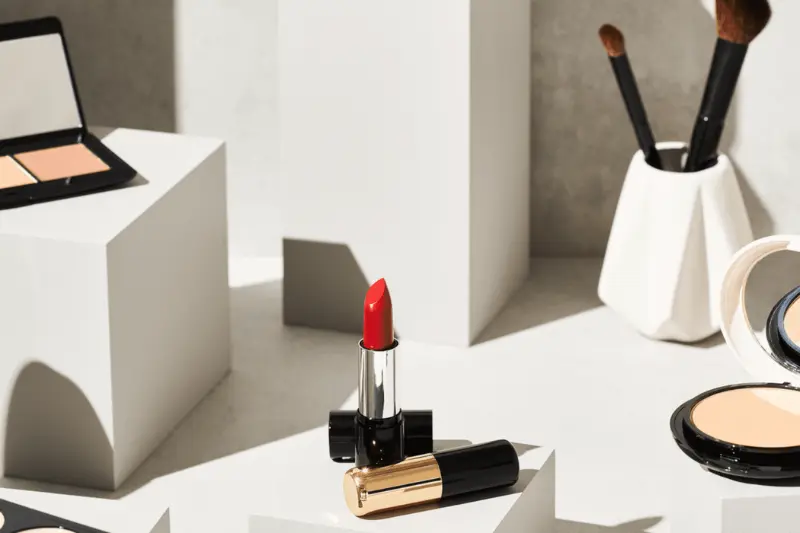
Starting a makeup journey can feel overwhelming because of the vast number of products available in the beauty market. However, beginners do not need an extensive collection to create beautiful looks. Investing in a few essential products is enough to master the basics and build confidence. Understanding the most important basic makeup items for beginners can help you create a practical makeup kit without spending a fortune.
Cleanser and Moisturizer
Although not technically makeup products, skincare essentials are the foundation of every successful makeup routine. A clean and moisturized face ensures that makeup applies smoothly and lasts longer. Choosing products suitable for your skin type can significantly improve the final result.
Primer
Primer is often overlooked by beginners, but it plays an important role in preparing the skin for makeup. It helps minimize the appearance of pores, smooth out uneven texture, and create a longer-lasting base. For oily skin, a mattifying primer works best, while hydrating primers are ideal for dry skin.
Foundation
Foundation is one of the most important basic makeup products for beginners. It evens out the complexion and creates a smooth canvas for the rest of your makeup. Beginners should choose a lightweight foundation that matches their skin tone and provides natural-looking coverage.
Concealer
Concealer is used to hide dark circles, redness, and blemishes. It provides extra coverage where foundation alone may not be enough. A creamy, easy-to-blend concealer is perfect for those new to makeup.
Setting Powder
Powder helps set foundation and concealer while controlling shine throughout the day. It also prevents makeup from smudging and creasing, especially in warmer weather.
Blush
Blush adds color and freshness to the face. A soft pink or peach shade works well for most skin tones and creates a healthy, natural glow.
Mascara
Mascara instantly enhances the eyes by making lashes appear longer and fuller. It is one of the easiest products for beginners to use and can dramatically improve a makeup look.
Eyebrow Product
Well-groomed eyebrows frame the face and make features appear more defined. Beginners can start with an eyebrow pencil or powder for a natural finish.
Lipstick or Lip Gloss
A lipstick or lip gloss completes any makeup look. Nude and soft pink shades are excellent choices for beginners because they suit a variety of occasions.
Makeup Tools
Basic tools such as makeup brushes, blending sponges, and powder puffs help achieve a smoother and more professional-looking finish. Learning how to use these tools properly can make makeup application much easier.
By keeping these basic makeup items for beginners in your beauty kit, you’ll have everything needed to follow the correct makeup steps and create both everyday and special-occasion looks with confidence.
Steps to Apply Makeup Correctly
Knowing the correct steps to apply makeup is essential for achieving a flawless and professional-looking finish. While makeup styles vary depending on personal preference and the occasion, following a structured routine ensures that each product works effectively and blends seamlessly. Whether you’re creating a natural daytime look or preparing for a special event, these makeup steps provide a solid foundation for beautiful results.
Step 1: Cleanse and Prepare Your Skin
Every great makeup look begins with proper skin preparation. Start by washing your face with a gentle cleanser to remove dirt, oil, and impurities. Clean skin allows makeup to adhere better and prevents clogged pores.
After cleansing, apply a moisturizer suitable for your skin type. Moisturized skin creates a smooth canvas and helps prevent makeup from looking patchy or dry throughout the day.
Step 2: Apply Primer
Primer acts as a barrier between your skin and makeup while helping products stay in place longer. It smooths the skin’s surface, minimizes the appearance of pores, and controls excess oil.
Apply a small amount of primer to your forehead, cheeks, nose, and chin. Blend it evenly using your fingers or a makeup sponge and allow it to set for a minute before moving to the next step.
Step 3: Apply Foundation
Foundation helps create an even skin tone and serves as the base for the rest of your makeup. Choose a foundation shade that closely matches your natural complexion.
Place small dots of foundation across your face and blend outward using a brush, sponge, or fingertips. Focus on achieving an even finish rather than applying excessive product. Building coverage gradually usually creates the most natural appearance.
Step 4: Use Concealer
Concealer is designed to cover imperfections that foundation may not fully hide. Apply it under the eyes to brighten dark circles and on blemishes, redness, or pigmentation spots.
Gently blend the concealer into the skin using a damp sponge or brush. Avoid rubbing too aggressively, as this can remove the product and reduce coverage.
Step 5: Set with Powder
Setting powder helps lock foundation and concealer in place while reducing unwanted shine. This step is especially beneficial for individuals with oily or combination skin.
Lightly dust powder over your T-zone, under-eye area, and other areas prone to oiliness. Avoid using too much powder, as it can make makeup appear heavy or cakey.
Step 6: Add Bronzer and Contour
Bronzer and contour products add dimension to the face and prevent foundation from creating a flat appearance.
Apply bronzer along the forehead, cheekbones, and jawline where the sun naturally hits. If using contour products, focus on defining the cheekbones, nose, and jawline with subtle blending for a natural effect.
Step 7: Apply Blush
Blush brings warmth and life back to the complexion. Smile gently and apply blush to the apples of your cheeks, blending upward toward your temples.
Soft pink, peach, and coral shades are popular choices because they create a healthy and youthful appearance.
Step 8: Highlight Key Features
Highlighter enhances areas where light naturally reflects. Apply a small amount to the tops of your cheekbones, the bridge of your nose, your brow bone, and your cupid’s bow.
A subtle highlight creates a radiant glow without appearing overly shiny.
Step 9: Define Your Eyebrows
Eyebrows frame the face and significantly impact your overall appearance. Use an eyebrow pencil, powder, or gel to fill sparse areas and create a natural shape.
Avoid drawing overly harsh lines. Instead, use small strokes that mimic natural eyebrow hairs.
Step 10: Apply Eye Makeup
Eye makeup can range from simple to dramatic depending on the occasion. Beginners can start with neutral eyeshadow shades and gradually experiment with more advanced techniques.
Apply eyeshadow across the eyelids, use eyeliner to define the lash line if desired, and finish with mascara to make the lashes appear longer and fuller. These simple steps can instantly make the eyes stand out.
Step 11: Apply Lip Color
Lipstick, lip gloss, or tinted lip balm completes the makeup look. Before applying lip color, ensure your lips are moisturized and smooth.
Choose a shade that complements your skin tone and the occasion. Nude shades work well for everyday wear, while brighter colors can add drama and sophistication.
Step 12: Finish with Setting Spray
The final step in the makeup routine is applying setting spray. This product helps lock all makeup products in place and reduces the need for frequent touch-ups.
Hold the bottle a few inches away from your face and spray lightly in an “X” and “T” motion. Allow it to dry naturally for the best results.
Following these makeup steps consistently will help beginners achieve smoother, more polished results. Once you become comfortable with these techniques, you’ll find it much easier to create everyday looks as well as glamorous makeup steps for party occasions with confidence and creativity.
Makeup Steps for Party Looks
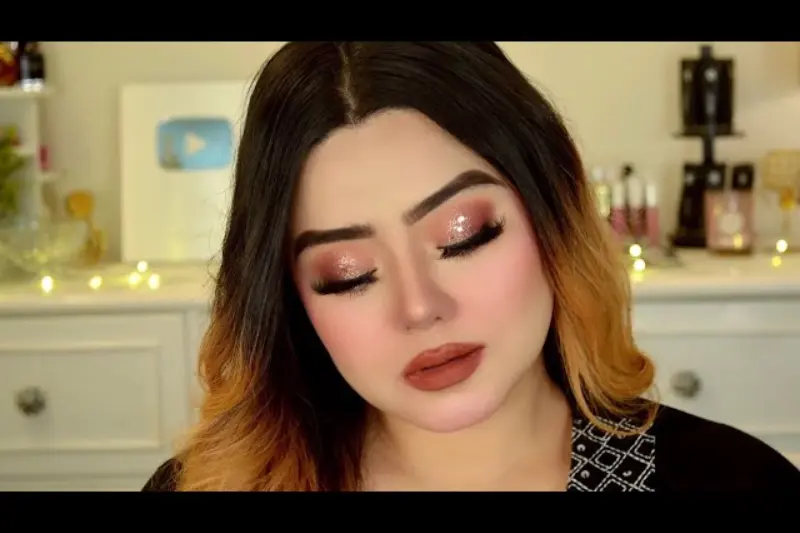
Party makeup is all about creating a polished, glamorous appearance that stands out in photographs and under different lighting conditions. While everyday makeup focuses on a natural and lightweight finish, makeup steps for party occasions often involve fuller coverage, more defined eyes, and long-lasting products. The key is to enhance your features without making the makeup appear heavy or overdone.
Start with Proper Skin Preparation
A successful party makeup look begins with healthy, well-prepared skin. Cleanse your face thoroughly, apply a moisturizer, and use a primer that suits your skin type. Since parties often last for several hours, primer helps keep makeup fresh and prevents foundation from fading or creasing.
Create a Flawless Base
For party makeup, many people prefer medium to full-coverage foundation. Apply foundation evenly across the face and blend carefully into the neck for a seamless appearance. Use concealer to brighten the under-eye area and cover any blemishes or discoloration.
Once the base is complete, set it with a lightweight powder to control shine and improve longevity.
Add Dimension with Contour and Highlight
Party makeup typically includes contouring and highlighting to define facial features. Contour products can be applied beneath the cheekbones, along the jawline, and around the forehead to create depth. Highlighter adds brightness and glow to the tops of the cheekbones, nose, and brow bone.
These techniques help the face appear more sculpted in both natural light and photographs.
Focus on Eye Makeup
Eye makeup is often the centerpiece of a party look. Neutral smoky eyes, soft shimmer shades, and winged eyeliner are popular choices. Apply eyeshadow gradually, blending colors carefully for a smooth transition.
Finish with mascara to make your lashes appear fuller and longer. If desired, false eyelashes can add extra drama and elegance.
Choose a Bold or Elegant Lip Color
The final touch is selecting a lip color that complements the rest of your makeup. Classic red, berry, nude, and pink shades are all excellent choices depending on your style and outfit.
Make Your Makeup Last All Night
Complete your party look with a setting spray to lock everything in place. Carry blotting papers or a compact powder for quick touch-ups if necessary.
By following these makeup steps for party events, you can achieve a glamorous, long-lasting look that enhances your confidence and helps you look your best throughout the celebration. Even beginners can create stunning results by practicing these techniques and using the right products.
Simple Makeup Pic Ideas for Inspiration
Finding inspiration is an important part of learning makeup, especially for beginners who are still mastering basic techniques. Looking at simple makeup pic ideas can help you understand color combinations, blending styles, and overall face aesthetics. Visual references make it easier to recreate looks without feeling overwhelmed, as you can break each style into small, manageable steps.
Natural Everyday Makeup Looks
Natural makeup is one of the most popular styles for beginners. A simple makeup pic of a natural look usually features light foundation, soft blush, minimal eye makeup, and nude lip shades. This style focuses on enhancing your natural features rather than changing them. It is perfect for school, college, office, or daily wear.
Soft Glam Makeup Inspiration
Soft glam makeup combines elegance with subtle drama. These looks often include lightly contoured cheeks, shimmer eyeshadow, and softly defined eyeliner. Brows are neatly shaped, and lips are usually in nude or pink tones. Soft glam simple makeup pic ideas are great for parties, dinners, or special gatherings where you want to look polished but not overly heavy.
Party Makeup Inspiration
Party makeup pictures usually show more defined eyes, glowing skin, and bold lip colors. You may notice winged eyeliner, smoky eyes, or highlighted cheekbones in these styles. These images are helpful when learning makeup steps for party looks because they show how different elements come together to create a balanced glamorous appearance.
Minimal Makeup for a Clean Look
Minimal makeup focuses on simplicity and freshness. A typical simple makeup pic in this category includes tinted moisturizer, light mascara, natural brows, and lip balm or gloss. This style is perfect for those who prefer a “no-makeup makeup” effect.
How to Use Makeup Inspiration Effectively
When using makeup pictures as inspiration, it is important not to copy every detail exactly. Instead, observe the techniques used—such as blending styles, color choices, and product placement. Combine ideas that suit your face shape and skin tone to create your own personalized look.
By regularly exploring simple makeup pic references, beginners can better understand makeup aesthetics and gradually improve their skills. This makes it easier to apply the correct makeup steps confidently in real-life situations.
Common Makeup Mistakes Beginners Should Avoid
When learning makeup steps, beginners often make small mistakes that can affect the overall finish of their look. These mistakes are completely normal in the beginning, but understanding them early can help you improve faster and achieve a more polished appearance. Avoiding these errors will also help you make better use of your basic makeup products for beginners and improve your confidence.
Using the Wrong Foundation Shade
One of the most common mistakes is choosing a foundation that does not match the skin tone. A shade that is too light or too dark can make the face look unnatural. Always test foundation on your jawline and check it in natural light before purchasing.
Skipping Skincare Before Makeup
Many beginners directly start applying makeup without preparing their skin. Skipping moisturizer or primer can lead to uneven application and dry patches. Proper skin preparation is an essential part of the correct steps to apply makeup.
Applying Too Much Product
Using too much foundation, concealer, or powder can make the makeup look heavy and cakey. A light, buildable application usually gives a more natural and smooth finish. Less is often more when it comes to makeup.
Not Blending Properly
Blending is one of the most important parts of makeup application. Harsh lines between foundation, blush, or eyeshadow can make the look appear unprofessional. Always blend thoroughly using brushes, sponges, or fingertips.
Ignoring Eyebrow Grooming
Eyebrows play a major role in framing the face. Many beginners either ignore them completely or overfill them. Natural-looking brows enhance facial features and complete the overall makeup look.
Using Dirty Brushes and Tools
Unclean brushes can cause patchy application and even skin breakouts. Regularly cleaning your makeup tools ensures smoother application and better hygiene.
Overdoing Eye Makeup
Heavy eye makeup without balance can overpower the face. It is important to maintain harmony between eyes, lips, and complexion, especially when creating makeup steps for party looks.
By avoiding these common mistakes, beginners can improve their technique and achieve more professional results. Practicing the correct makeup steps consistently will help you build strong skills and create beautiful looks for any occasion.
Makeup Tips for Long-Lasting Results
Achieving a makeup look that stays fresh throughout the day or night requires more than just applying products in the correct order. The right techniques, product choices, and habits play a major role in ensuring durability. Whether you are following simple makeup steps for daily wear or advanced makeup steps for party occasions, these tips will help your makeup last longer and look better.
Choose the Right Skincare Base
Long-lasting makeup always starts with healthy, well-prepped skin. Use a gentle cleanser to remove excess oil and dirt, followed by a lightweight moisturizer. For oily skin types, an oil-free moisturizer works best, while dry skin benefits from hydrating formulas. A smooth base helps makeup adhere better and prevents patchiness.
Use a Quality Primer
Primer is essential for extending makeup wear time. It creates a barrier between skin and makeup, helping foundation and concealer stay in place. Silicone-based primers are great for smoothing texture, while mattifying primers help control shine throughout the day.
Apply Thin Layers of Makeup
One of the most important tips is to avoid heavy application. Instead, apply foundation, concealer, and other products in thin layers. Build coverage gradually for a natural finish that lasts longer and does not crease easily.
Set Your Makeup Properly
Setting powder and setting spray are key products for long-lasting makeup. Lightly dust powder on areas prone to oiliness, such as the T-zone, to prevent shine. Finish with a setting spray to lock all layers in place and increase durability.
Choose Long-Wear Products
For better staying power, use long-wear or waterproof formulas, especially for foundation, eyeliner, and mascara. These products are designed to withstand heat, sweat, and humidity, making them ideal for parties or long events.
Avoid Touching Your Face
Touching your face frequently can break down makeup and cause it to fade faster. Try to avoid resting your hands on your face throughout the day to maintain a fresh appearance.
Carry Basic Touch-Up Products
Even long-lasting makeup may need minor touch-ups. Carry essentials like compact powder, lipstick, and blotting papers for quick fixes when needed.
By following these tips along with proper makeup steps, you can significantly improve the longevity of your look. Whether it’s a casual day or a special event, these techniques ensure your makeup stays flawless, fresh, and picture-perfect for hours.
Conclusion
Mastering makeup steps is not just about applying products in order—it is about understanding your skin, choosing the right products, and practicing the techniques that enhance your natural beauty. When you follow a proper routine, each step builds on the previous one, helping you achieve a smooth, balanced, and long-lasting makeup look.
For beginners, starting with the right basic makeup items for beginners and basic makeup products for beginners makes the learning process much easier. These essentials allow you to practice without confusion and gradually build confidence in your skills. Once you understand the fundamentals, you can easily create both simple everyday looks and more detailed styles.
If you are preparing for special occasions, learning makeup steps for party looks can help you achieve a more glamorous and polished appearance. Techniques like contouring, highlighting, and bold eye makeup can elevate your overall style and make you stand out in any event. Even looking at a simple makeup pic for inspiration can guide you in experimenting with different looks and improving your creativity.
Most importantly, makeup is a skill that improves with time and practice. The more you follow the correct steps to apply makeup, the better your results will become. Start simple, stay consistent, and gradually explore advanced techniques as you gain experience.
With patience and practice, anyone can learn to create flawless makeup looks that suit their personality, skin type, and occasion. Whether it’s a natural daily look or a glamorous party style, the right makeup steps will always help you look confident, elegant, and your best self.
faqs
What are the basic makeup steps for beginners?
The basic makeup steps for beginners include cleansing, moisturizing, applying primer, foundation, concealer, setting powder, eye makeup, blush, lipstick, and setting spray. Following this order ensures a smooth and natural finish.
What are the essential steps to apply makeup correctly?
The correct steps to apply makeup start with skin preparation, followed by base makeup (foundation and concealer), then eye makeup, cheeks, lips, and finally setting the look with powder or spray for long-lasting results.
Which are the basic makeup items for beginners?
The most important basic makeup items for beginners include cleanser, moisturizer, primer, foundation, concealer, compact powder, blush, mascara, eyebrow pencil, and lipstick. These essentials are enough to create simple everyday looks.
What is the difference between basic makeup products for beginners and advanced products?
Basic makeup products for beginners are simple, easy-to-use, and suitable for natural looks. Advanced products often include contour kits, high-end palettes, and specialized tools for professional or complex makeup styles.
How can I follow makeup steps for party looks?
To achieve makeup steps for party looks, start with a strong base using primer and foundation, then add contour, highlight, bold eye makeup, and a long-lasting lip color. Finish with setting spray to keep the makeup intact for hours.
How can I learn makeup easily as a beginner?
You can learn makeup easily by practicing basic makeup steps, watching tutorials, and starting with simple looks. Using a simple makeup pic as inspiration can also help you understand blending and product placement.
Why is primer important in makeup steps?
Primer is important because it creates a smooth base, minimizes pores, and helps makeup last longer. It is a key step in almost all professional steps to apply makeup routines.
How do I choose the right foundation shade?
To choose the right foundation, test shades on your jawline and check them in natural light. The correct shade should blend seamlessly with your skin tone without looking too light or too dark.
Can beginners skip some makeup steps?
Yes, beginners can simplify their routine by skipping advanced steps like contouring or heavy eye makeup. However, following basic makeup steps like skincare, foundation, and mascara is recommended for a polished look.
How can I make my makeup last longer?
To make makeup last longer, use primer, apply thin layers, set with powder, and finish with setting spray. These techniques are essential for both daily looks and makeup steps for party occasions.


