


Introduction

Makeup is more than just applying products to the face—it is a form of self-expression, confidence building, and personal grooming. Understanding the correct makeup steps is essential for achieving a smooth, natural, and long-lasting look. Whether you are a beginner or someone looking to improve your daily routine, learning the right sequence can make a huge difference in your final appearance.
A proper make up introduction starts with knowing your skin type, choosing the right products, and following a structured routine instead of random application. Many people struggle with uneven foundation, cakey finish, or makeup that does not last long, mainly because they skip important steps or use products in the wrong order. By following a step-by-step approach, you can avoid these common mistakes and achieve a flawless finish every time.
This guide is designed to help you understand everything from basic makeup knowledge to advanced application techniques. You will learn what items required for makeup are essential for beginners, how to prepare your skin properly, and how to apply each product in the correct sequence. Special attention is also given to specific needs such as makeup for dry skin step by step, ensuring your skin stays hydrated and healthy while still looking beautiful.
Additionally, you will discover detailed techniques like lipstick makeup step by step, helping you create perfectly defined lips that complete your overall look. Each section is explained in a simple and practical way so that anyone can follow along without confusion.
By the end of this article, you will have a clear understanding of professional makeup steps that you can easily apply at home. Whether your goal is a natural everyday look or a more polished finish for special occasions, this guide will give you the confidence to do your makeup like a pro.
Basic Makeup Knowledge Every Beginner Should Know
Before learning detailed makeup steps, it is important to understand some basic makeup knowledge that helps you build a strong foundation for your routine. Many beginners rush directly into applying products without knowing how skin, products, and techniques work together, which often leads to uneven or short-lasting results.
Understanding Your Skin Type
Your skin type plays a major role in how makeup looks and lasts. If you have oily skin, you may need oil-free products and matte finishes to control shine. For dry skin, hydrating and creamy formulas work better to prevent patchiness. Combination skin requires a balanced approach, while sensitive skin needs gentle, fragrance-free products.
Importance of Product Selection
Choosing the right products is one of the most important parts of any makeup routine. Foundation shades should match your skin tone perfectly, while concealer should blend seamlessly to hide imperfections. Lip products, eye makeup, and base products should all complement your overall look instead of clashing with it.
Learning the Correct Order of Application
One of the most common beginner mistakes is applying products in the wrong order. Following proper makeup steps ensures that each product works effectively and blends well. For example, skincare always comes first, followed by primer, foundation, concealer, and then color cosmetics.
Building Confidence Through Practice
Makeup is a skill that improves with practice. The more you experiment with different techniques and products, the better you understand what suits your face. Over time, you will naturally develop your own style while still following the essential makeup steps for a clean and polished finish.
Understanding these basics will make the upcoming sections much easier to follow, especially when we move into detailed application techniques like items required for makeup and step-by-step routines.
Items Required for Makeup
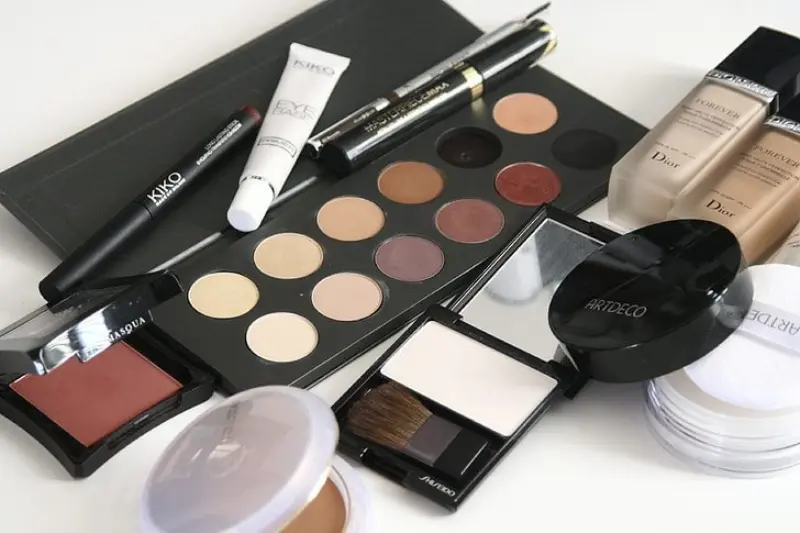
Before starting your full makeup steps, it is important to gather all the essential tools and products. Having the right items required for makeup not only makes the process easier but also helps you achieve a smooth, professional-looking finish.
Essential Face Makeup Products
These are the core products used in almost every makeup routine:
- Primer – Helps create a smooth base and makes makeup last longer
- Foundation – Evens out skin tone and creates a flawless base
- Concealer – Covers dark circles, blemishes, and imperfections
- Compact or Setting Powder – Sets the base and reduces shine
- Blush – Adds a natural flush of color to the cheeks
- Highlighter – Enhances facial features with a glowing finish
- Eye Makeup Essentials
Eye makeup adds depth and expression to your overall look:
- Eyeshadow palette – For creating different eye looks
- Eyeliner – Defines the eyes and enhances shape
- Mascara – Adds volume and length to eyelashes
- Eyebrow pencil or powder – Shapes and fills eyebrows for a balanced look
- Lip Makeup Essentials
Lip products complete your makeup look:
Makeup Tools You Need
Tools are just as important as products in achieving flawless results:
- Makeup brushes (foundation, blush, eyeshadow brushes)
- Beauty blender or sponge for blending foundation
- Eyelash curler for lifted lashes
- Makeup remover for clean skin after application
Having these items required for makeup ready before starting your routine ensures that your entire process flows smoothly. It also helps you follow the upcoming makeup steps without interruption, making your application more efficient and professional.
Makeup Steps for Beginners
This section covers the complete makeup steps in a simple, beginner-friendly order. Following the correct sequence is important because each step builds on the previous one, helping your makeup look smooth, natural, and long-lasting.
Step 1 – Cleanse Your Face
Start with a clean base. Wash your face with a gentle cleanser to remove oil, dirt, and impurities. This helps makeup apply evenly.
Step 2 – Moisturize Your Skin
Apply a lightweight moisturizer suitable for your skin type. This keeps your skin hydrated and prevents makeup from looking dry or patchy.
Step 3 – Apply Primer
Primer creates a smooth surface and helps makeup last longer. It also minimizes pores and fine lines.
Step 4 – Apply Foundation
Choose a foundation that matches your skin tone. Apply it evenly using a brush, sponge, or fingers for a flawless base.
Step 5 – Apply Concealer
Use concealer under the eyes and on blemishes. Blend it well to brighten and even out your skin tone.
Step 6 – Set with Powder
Apply compact or loose powder to set your base makeup and control shine throughout the day.
Step 7 – Add Blush and Bronzer
Blush gives a natural glow to your cheeks, while bronzer adds warmth and definition to your face.
Step 8 – Highlight Key Areas
Apply highlighter on cheekbones, nose bridge, and brow bone for a radiant finish.
Step 9 – Define Your Eyebrows
Fill and shape your eyebrows using a pencil or powder to frame your face properly.
Step 10 – Apply Eye Makeup
Use eyeshadow, eyeliner, and mascara to enhance your eyes and complete the look.
- Step 11 – Lipstick Makeup Step by Step
- Exfoliate lips gently
- Apply lip balm for hydration
- Line your lips with a lip liner
- Apply lipstick evenly
- Add gloss if desired for extra shine
- Step 12 – Set Your Makeup
Finish with a setting spray to lock everything in place and make your makeup last longer.
Following these makeup steps carefully will help you achieve a clean, professional finish even as a beginner.
Makeup for Dry Skin Step by Step
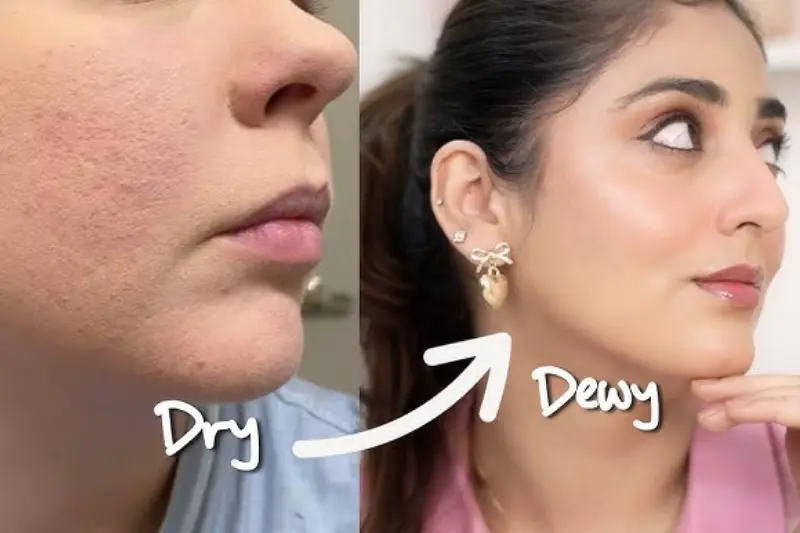
Doing makeup on dry skin requires extra care because dry skin can easily look flaky, patchy, or dull if products are not chosen and applied correctly. This section explains a complete makeup for dry skin step by step routine so your makeup looks smooth, hydrated, and natural.
Step 1 – Prepare and Hydrate the Skin
Start by gently cleansing your face with a mild, hydrating face wash. Avoid harsh cleansers that strip natural oils. Pat your skin dry instead of rubbing it.
Step 2 – Use a Rich Moisturizer
Apply a deep hydrating moisturizer and allow it to fully absorb. This step is very important for dry skin because it creates a soft and smooth base for makeup application.
Step 3 – Apply Hydrating Primer
Choose a hydrating or illuminating primer instead of a matte one. This helps reduce dryness and gives your skin a healthy glow.
Step 4 – Use a Dewy Foundation
Select a liquid or dewy-finish foundation. Avoid heavy matte foundations as they can make dry skin look more textured. Blend it gently using a damp beauty sponge.
Step 5 – Apply Cream-Based Products
For blush, bronzer, and highlighter, prefer cream or liquid formulas. These blend better into dry skin and give a natural, radiant finish.
Step 6 – Use Minimal Powder
Avoid using too much compact powder. Apply only a light dusting on areas that get slightly oily, such as the T-zone, to prevent cakiness.
Step 7 – Keep Skin Hydrated Throughout the Day
Carry a facial mist or hydrating spray to refresh your makeup and maintain a glowing look throughout the day.
Following these makeup steps for dry skin helps you achieve a fresh, glowing appearance without emphasizing dryness or fine lines. With the right products and technique, dry skin can look smooth, healthy, and naturally radiant.
Professional Tips for Long-Lasting Makeup
Once you understand the basic makeup steps, the next important goal is making your makeup last all day without fading, creasing, or melting. With the right techniques and small adjustments, you can significantly improve the durability of your look.
How to Make Foundation Last Longer
Start with a good skincare base and always use primer before foundation. Choosing a long-wear or transfer-resistant foundation also helps. Blend properly and avoid applying too much product, as heavy layers tend to break down faster.
Prevent Makeup from Creasing
Creasing usually happens under the eyes and around fine lines. To avoid this, use a small amount of concealer and set it immediately with a light layer of powder. Avoid over-moisturizing these areas right before makeup application.
Keep Lipstick Fresh All Day
For long-lasting lipstick, always exfoliate and moisturize your lips first. Use a lip liner to define and fill in your lips before applying lipstick. This creates a base that helps color stay longer and prevents feathering.
Touch-Up Tips for Busy Days
Instead of reapplying full makeup, carry compact powder, lipstick, and blotting paper for quick touch-ups. Blot excess oil first, then lightly reapply products where needed.
Setting Spray is Essential
A setting spray is one of the most effective tools for long-lasting makeup. It locks all products in place and helps reduce powdery or cakey finishes, giving a more natural look.
By following these professional tips along with your daily makeup steps, you can maintain a fresh, polished appearance from morning to night without frequent reapplication.
Makeup Removal Steps After a Long Day
Properly removing makeup is just as important as applying it. After following your full makeup steps routine throughout the day, your skin needs to be cleaned thoroughly to stay healthy, fresh, and free from breakouts or irritation. Leaving makeup on overnight can clog pores and damage your skin barrier.
Step 1 – Remove Eye and Lip Makeup First
Start with a gentle makeup remover or micellar water. Focus on the eyes and lips, as these areas usually have waterproof or long-wear products. Soak a cotton pad and gently press it on the area for a few seconds before wiping.
Step 2 – Cleanse Your Face Thoroughly
Use a mild facial cleanser to wash away foundation, concealer, and remaining impurities. Massage it gently in circular motions to ensure deep cleansing without irritating the skin.
Step 3 – Double Cleansing
For a more thorough clean, you can follow up with an oil-based cleanser before your regular face wash. This helps remove heavy makeup and sunscreen more effectively.
Step 4 – Tone Your Skin
Applying a toner helps restore your skin’s natural pH balance and removes any leftover residue. It also prepares your skin for better absorption of skincare products.
Step 5 – Moisturize and Repair
Finish your routine with a nourishing moisturizer or night cream. This step is important to hydrate and repair your skin after makeup removal.
Step 6 – Give Your Skin a Break
Allow your skin to breathe without makeup whenever possible. This helps maintain a healthy glow and prevents long-term skin issues.
Following proper removal steps ensures that your skin stays clean and healthy, supporting your overall makeup knowledge and improving how your makeup looks the next day.
Conclusion
In conclusion, mastering the correct makeup steps is the key to achieving a flawless and confident look every time. When you understand the right order of application and follow a structured routine, makeup becomes much easier, more effective, and long-lasting. From skincare preparation to final setting spray, each step plays an important role in creating a smooth and polished finish.
This guide helped you learn makeup knowledge, including the importance of selecting the right products and understanding your skin type. We also discussed the complete list of items required for makeup, so you know exactly what tools and products are needed before starting your routine. Having the right essentials makes the entire process more organized and beginner-friendly.
Special attention was also given to practical routines like lipstick makeup step by step, which helps you achieve clean and defined lips, and makeup for dry skin step by step, which ensures your skin stays hydrated and radiant throughout the day. These targeted techniques make your overall makeup look more professional and suitable for different skin needs.
Ultimately, makeup is not just about appearance—it is about confidence, creativity, and self-expression. With regular practice and consistency, you will become more comfortable applying makeup and adjusting techniques to suit your personal style. Whether it is a simple everyday look or a glamorous occasion makeup, following these structured steps will always help you achieve better results.
Keep practicing these makeup steps, explore new techniques, and build your own routine that enhances your natural beauty.
faqs
What are the basic makeup steps for beginners?
The basic makeup steps include cleansing, moisturizing, applying primer, foundation, concealer, setting powder, eye makeup, blush, lipstick, and finishing with setting spray.
What items are required for makeup?
Essential items required for makeup include primer, foundation, concealer, powder, blush, eyeshadow, eyeliner, mascara, lipstick, brushes, and a beauty sponge.
How do I start learning makeup?
Start by understanding basic makeup knowledge, practicing simple routines, and learning how to match products with your skin type and tone.
What is the correct order of makeup application?
The correct order is skincare first, then primer, foundation, concealer, powder, followed by eye makeup, blush, lipstick, and setting spray.
How do I apply lipstick step by step?
For lipstick makeup step by step, exfoliate lips, apply lip balm, use lip liner, apply lipstick evenly, and optionally add gloss.
What is the best makeup routine for dry skin?
A makeup for dry skin step by step routine includes hydrating skincare, dewy foundation, cream-based products, and minimal powder use.
Why is primer important in makeup steps?
Primer smooths the skin, reduces pores, and helps makeup last longer by creating a perfect base.
How can I make my makeup last all day?
Use primer, long-wear foundation, light powder setting, and finish with a setting spray to lock your makeup in place.
Can beginners do makeup at home easily?
Yes, beginners can easily do makeup at home by following simple makeup steps and practicing regularly with basic products.
How do I remove makeup properly?
Remove eye and lip makeup first, then cleanse your face, tone your skin, and apply moisturizer to keep your skin healthy.


